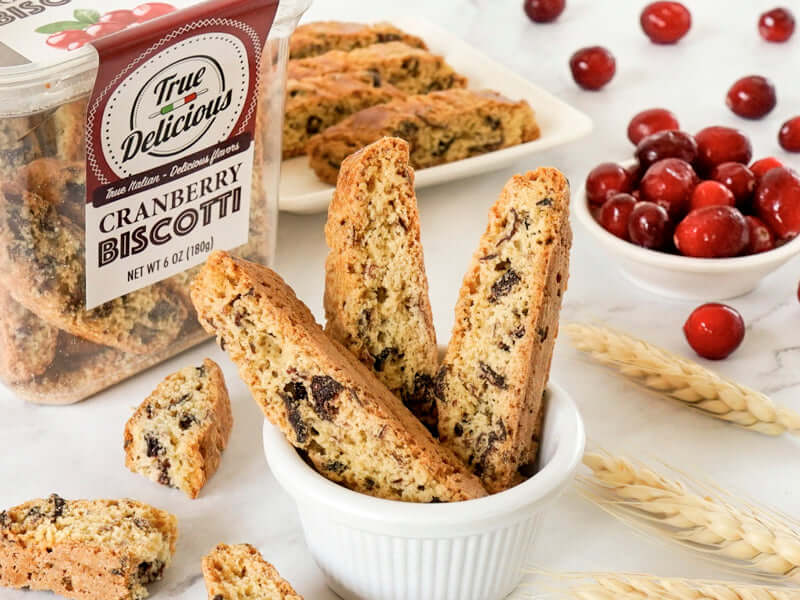
There's something unmistakable about authentic Italian biscotti. The crisp texture. The toasted almonds. The way they soften perfectly when dipped into coffee. A real biscotto feels simple, comforting, and timeless — the kind of thing that has been enjoyed around Italian kitchen tables for generations.
At True Delicious, biscotti are deeply personal to us. Our recipes were passed down from our father Palmiro, an award-winning pastry chef and President of the Union of Neapolitan Pastry Chefs in Italy, and are still made today in small batches in Petaluma, California using real ingredients and careful baking methods. While many modern biscotti have become oversized, overly sweet, or excessively hard, authentic Italian biscotti were always meant to feel balanced: crisp but never tooth-breaking, rich in almonds, and enjoyable with every bite.
This guide is about what authentic biscotti truly are, where they come from, and why traditional biscotti still taste so different from many commercial versions found today.
What Authentic Italian Biscotti Really Means
The word biscotti comes from the Latin bis coctus, which means "twice baked." That second bake is what gives biscotti their signature crisp texture and naturally long shelf life. To learn more about the word's origins and history, read our complete biscotti guide.
Traditional biscotti begin as a soft dough shaped into long loaves. After the first bake, the loaves are sliced and returned to the oven so each piece can bake again slowly until crisp and golden. It's a simple process, but one that requires attention and balance. Bake them too little and they lose their texture quickly. Bake them too long and they become dry and hard.
Authentic Italian biscotti were never meant to feel difficult to eat. A proper biscotto should have a clean crunch that pairs beautifully with coffee, tea, or dessert wine without feeling overly dense or aggressive.
That balance is one of the things that separates artisan biscotti from many mass-produced versions.
The Tuscan Tradition of Cantucci
What many Americans simply call biscotti are traditionally known in Tuscany as cantucci. These almond-filled biscotti became famous around the city of Prato and are still one of the most beloved traditional Italian cookies today.
Classic cantucci are usually smaller than American-style biscotti and generously filled with whole almonds. They are often served with Vin Santo, a sweet Tuscan dessert wine. The biscotti are lightly dipped before eating, softening slightly while still keeping their crisp center.
That ritual is part of what makes biscotti feel so Italian. They were never designed to be rushed. They are meant to slow things down for a few quiet moments, whether with espresso in the morning or coffee after dinner.
Over time, many regional variations developed throughout Italy. Pistachio biscotti, chocolate biscotti, anise biscotti, and softer almond cookies like pignoli cookies all became part of the broader Italian cookie tradition. But almond biscotti remain the foundation of authentic biscotti baking.
Why Italian Almond Biscotti Taste Different
A true Italian almond biscotto should taste first and foremost of toasted almonds.
In many commercial biscotti, the dough tends to overpower everything else. Traditional biscotti are the opposite. The almonds are generous, visible, and present in nearly every bite. The dough simply brings the texture and structure together.
At True Delicious, that philosophy has never changed. Our biscotti are still made with a generous amount of almonds, simple ingredients, and recipes inspired by generations of Italian baking. We believe biscotti should feel homemade, not industrial.
That's also why authentic biscotti are usually more balanced in sweetness. They are not meant to taste like frosting or candy. The flavor comes from toasted nuts, careful baking, citrus zest, chocolate, pistachios, or dried fruit — ingredients that speak for themselves without needing excessive sweetness or artificial flavoring.
When you open a package of authentic biscotti, the aroma should smell warm, nutty, and freshly baked. That's often the first sign you're tasting something made with care.
The Importance of the Twice-Baked Process
The twice-baked process is the heart of biscotti making.
During the first bake, the dough develops flavor and structure. During the second bake, moisture is slowly removed to create the classic crisp texture biscotti are known for. This second bake is what gives biscotti their satisfying crunch while also helping preserve them naturally without relying on preservatives.
Small differences during this stage make a big impact. Even a few extra minutes in the oven can completely change the texture. That's one reason small-batch baking matters so much. A baker paying close attention to a tray of biscotti can create a much more balanced result than a fully industrial process designed only for speed and shelf life.
The goal is always the same: crisp, flavorful biscotti that remain enjoyable from the first bite to the last.
How to Recognize Authentic Italian Biscotti
One of the easiest ways to recognize authentic biscotti is by reading the ingredient list.
Traditional biscotti are usually made with familiar ingredients like flour, eggs, sugar, almonds, butter, and natural flavorings such as vanilla or citrus zest. Because biscotti are twice baked, they naturally keep well without requiring large amounts of preservatives or stabilizers.
Texture also says a lot. Authentic biscotti should feel crisp and substantial, but never so hard that they become unpleasant to eat. Good biscotti invite another bite. They pair naturally with coffee rather than competing against it.
Appearance matters too. Real biscotti often look slightly rustic and handmade, with visible almonds, uneven edges, and natural variation from batch to batch. That handmade feel is part of their charm.

How Italians Traditionally Enjoy Biscotti
In Italy, biscotti are woven into everyday life.
Some people enjoy them with espresso in the morning. Others pair them with cappuccino or tea in the afternoon. After dinner, almond biscotti are often served with Vin Santo for dipping. For more pairing ideas, read our guide to biscotti and coffee pairings.
The experience is simple but meaningful. A few biscotti on a plate. A cup of coffee. Conversation around the table. That slower, more intentional way of enjoying food is part of what makes authentic Italian baking feel timeless.
Biscotti were never meant to be flashy. Their beauty comes from simplicity done well.
How Italian Biscotti Compare to American Biscotti
Italian and American biscotti share the same name and the same twice-baked method, but the experience of eating them is often quite different. Italian biscotti tend to be smaller, less sweet, and more almond-forward. American versions are often larger, softer, and richer. For a full breakdown of the differences from an Italian baker's perspective, read our post on Italian biscotti vs. American biscotti.
Authentic Italian Biscotti at True Delicious
At True Delicious, we continue baking biscotti the same way we believe they should be made: with real ingredients, careful baking, and respect for tradition.
Our biscotti are handcrafted in small batches in Petaluma, California using recipes inspired by generations of Italian baking. They are twice baked for a crisp texture that is never too hard, generously filled with almonds and other premium ingredients, and made without preservatives or artificial flavors.
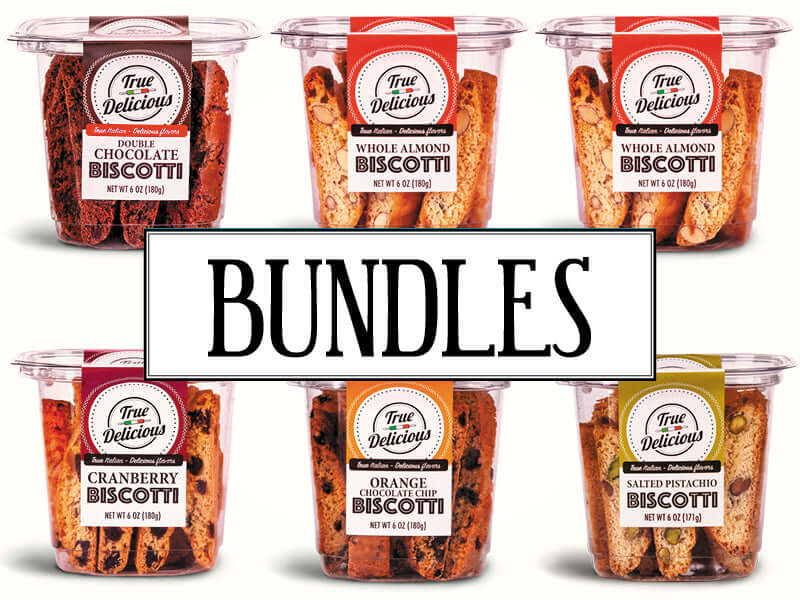
From traditional almond biscotti to pistachio, cranberry, orange chocolate chip, and seasonal creations, every batch is made with the same goal: authentic Italian biscotti that feel comforting, balanced, and genuinely enjoyable to eat.
Because good biscotti should never feel complicated. Just delicious, carefully made, and perfect with a cup of coffee. Shop our authentic Italian biscotti →