What is biscotti?
Biscotti definition — Biscotti (n.): twice-baked Italian almond cookies, traditionally from Prato, Tuscany, made for dunking in coffee, wine, or vin santo.
So what is a biscotti? A single biscotto is one slice of twice-baked Italian cookie — crisp, oblong, and built for dunking. Biscotti are the plural form, and they get their signature crunch from being baked twice. The dough is first baked as a log, sliced, then returned to the oven — a process that removes almost all moisture and gives them their famously hard, dunkable texture. If you're ready to taste the real thing, explore our full collection of authentic Italian biscotti.
Is biscotti Italian?
Yes — biscotti is an Italian cookie that originated in Prato, Tuscany, in the 14th century. The word itself tells the story: biscotti comes from the Latin bis coctus, meaning "twice cooked" — a direct reference to the double-baking process that gives them their signature crunch. The original recipe, known as cantucci di Prato or biscotti di Prato, contained only almonds, flour, sugar, and eggs. Butter was added later as the recipe evolved and biscotti grew in popularity across Tuscany in the 1800s. Today, regional varieties exist across all of Italy, each with slight ingredient variations.
What does "biscotti" mean?
The word biscotti comes from the Latin bis coctus, meaning "twice cooked" or "twice baked." In Italian, biscotti is simply the plural of biscotto — so technically, one cookie is a biscotto. Outside Italy, "biscotti" is used for both singular and plural.
What does biscotti taste like?
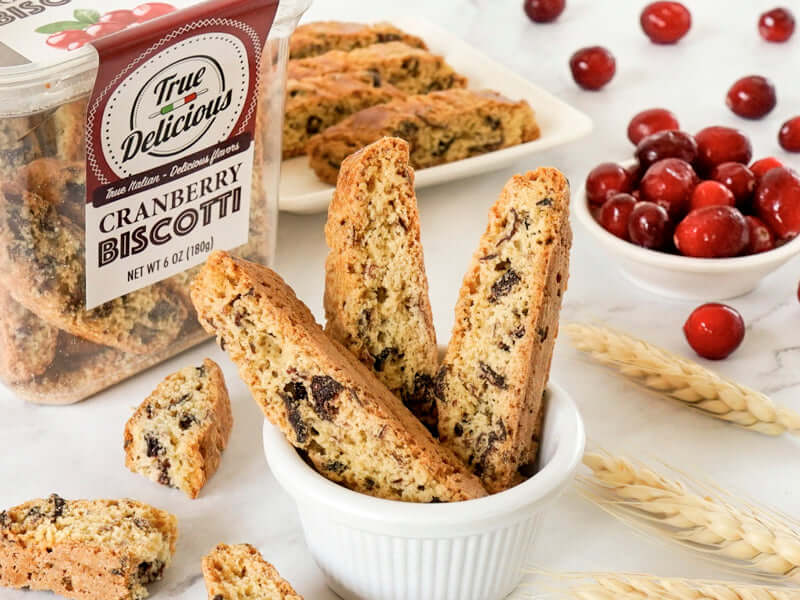
Classic biscotti have a dry, crunchy texture with a lightly sweet, nutty flavor — traditionally almond. The low moisture content makes them ideal for dunking in espresso, cappuccino, or the Tuscan dessert wine vin santo, which softens them perfectly. Modern varieties include flavors like pistachio, cranberry, and orange chocolate chip.
How is a classic Biscotti recipe baked?
The process begins by baking the dough to cook it through. Once set, the dough is sliced into smaller pieces and baked again. This second bake dries the slices, giving biscotti their signature crunchy texture. This traditional twice-baked method not only provides the distinctive crispness but also extends the shelf life of biscotti, making them stay fresh and tasty for much longer than many other cookies.

Why are Biscotti so Popular?
Versatility: Biscotti can be enjoyed with various beverages, such as coffee, tea, and wine, and come in endless flavor variations, from classic almond biscotti to rich chocolate biscotti or seasonal pumpkin spice biscotti.
Long Shelf Life: Their dry texture allows them to stay fresh for several weeks when stored in an airtight container, making them convenient for storage and gifting, especially during holidays.
Cultural Heritage: Biscotti carry a rich Italian heritage, connecting each bite to a culinary tradition that dates back centuries.
Flavor Varieties: From classic almond to chocolate, hazelnut, anise, pistachio, cranberry, orange, biscotti come in numerous flavors, catering to diverse tastes.
Biscotti vs Cantucci: Are They the Same Thing?
Yes and no. Cantucci is the Tuscan name for the original twice-baked almond cookie from Prato — technically the "real" biscotti. Biscotti is the broader Italian word (literally "twice-cooked") that over time became the international term for any twice-baked Italian cookie. So all cantucci are biscotti, but not all biscotti are cantucci.
Tuscan bakers perfected a recipe using almonds, flour, sugar, butter, and eggs — which gave cantucci di Prato their signature snap and extraordinary shelf life. Outside Tuscany, bakers began adding different nuts, chocolate, dried fruit, and glazes. The name "biscotti" stuck internationally even as the recipes evolved.
At True Delicious, our recipes start from the same Prato tradition — twice-baked, almond-forward, built for dunking — and branch into modern flavors from there.
Which Ones Are the Traditional Biscotti?
The traditional biscotti, known as "Cantucci" or "Cantuccini," hail from the region of Tuscany. These classic versions are typically made with almonds and have a simple, yet delightful flavor profile. Over time, various regions and bakers have introduced different ingredients and flavors, but the traditional almond biscotti remain a beloved favorite.
Are Biscotti Crisp or Soft?
Biscotti are known for their crisp texture. The twice-baking process ensures they are thoroughly dried out, giving them a firm and crunchy consistency. This makes them ideal for dunking in coffee, tea, or even dessert wines, as the liquid softens the cookie slightly without making it soggy. The crispness of biscotti also means they have a satisfying crunch when eaten on their own — whether you're enjoying them as a snack or pairing them with your favorite beverage, the crunch is an essential part of the experience.
Are Biscotti High in Calories?
Biscotti are generally lower in fat and calories compared to other cookies because they are typically made with a small amount of butter or oil. However, the calorie content can vary based on the ingredients used. For example, biscotti with chocolate chips, dried fruits, or nuts will have more calories than the plain almond variety. Overall, they are considered a relatively healthy indulgence when enjoyed in moderation.
In addition to being lower in calories, biscotti often contain healthy ingredients like almonds, which are a good source of protein and healthy fats. Some recipes also include dried fruits or seeds, adding to their nutritional value.
Do People Dunk Biscotti?
Yes, dunking biscotti is a common practice. It's popular to dunk them in coffee or tea. The warm liquid brings out the flavors of the biscotti, whether it's the nutty taste of almonds or the rich sweetness of chocolate. Whether you prefer coffee, tea, or wine, dunking biscotti adds an extra layer of enjoyment to this classic treat.

What are other names for Biscotti?
While the term "biscotti" is widely recognized, especially in the context of Italian cuisine, due to the influence of Italian dialects and regional variations, biscotti are sometimes referred to as Biskotti, Biscoti, Biscutt, Biscott, Biskoti, Biskut, Biscuttis, Bescotti, Beskotti, Bisckotti, and Bescoti.
These variations in name reflect the diverse ways biscotti have been adopted and adapted around the world. In some regions, biscotti might be flavored with local ingredients or made to suit different tastes, but the essential process of twice-baking remains the same.
Top 3 Most Popular Biscotti Varieties and Recipes
- Traditional Almond Biscotti: The classic choice, perfect for any occasion. These biscotti are made with whole almonds and a touch of almond extract, giving them a rich, nutty flavor that's both simple and satisfying.
- Chocolate Biscotti: A favorite among chocolate lovers, combining the rich flavor of cocoa with the crunch of traditional biscotti.
- Lemon Biscotti: A refreshing twist with a tangy lemon flavor, often made with lemon zest and a lemon glaze for added sweetness.

The History of Italian Biscotti
Origin of Biscotti in Italy
Biscotti originated in Prato, Tuscany, where the modern recipe was developed around the 15th and 16th centuries. Tuscan bakers created a twice-baked almond cookie — known as cantucci di Prato — that could keep for weeks without spoiling. The phrase "origin of biscotti" traces directly to this region, and biscotti di Prato remain the gold standard of authentic Italian biscotti to this day.
In Tuscany, the traditional way to eat biscotti is dunked in a small glass of vin santo — a golden dessert wine — at the end of a meal. Not dunked politely, either. We're talking a full two-to-three second submersion until the biscotti softens just enough. It's less of a snack and more of a ritual, and Tuscans take it very seriously.
By the 20th century, Italian immigrants carried biscotti across the Atlantic to the United States, where Italian-American communities kept the tradition alive. Then came the 1990s American coffee shop boom — suddenly biscotti were everywhere, perched on espresso bar counters from Seattle to Miami. A centuries-old Tuscan cookie had become the unofficial mascot of café culture.
That's the tradition we carry forward at True Delicious — recipes passed down through three generations of Italian pastry makers, starting with our founder's father Palmiro, an award-winning pastry chef and President of the Union of Neapolitan Pastry Chefs in Italy. Every True Delicious biscotti is a small piece of that very long, very delicious history.
Biscotti are much more than just cookies; they are a delightful part of Italian culinary tradition with a fascinating history and a range of flavors. Their popularity is a testament to their versatility, long shelf life, and unique texture. Whether you enjoy them plain, almond-flavored, or with a modern twist, biscotti offer a perfect balance of crunch and flavor, making them a timeless treat to savor and share. So next time you reach for a biscotti, remember you're indulging in a little piece of history!
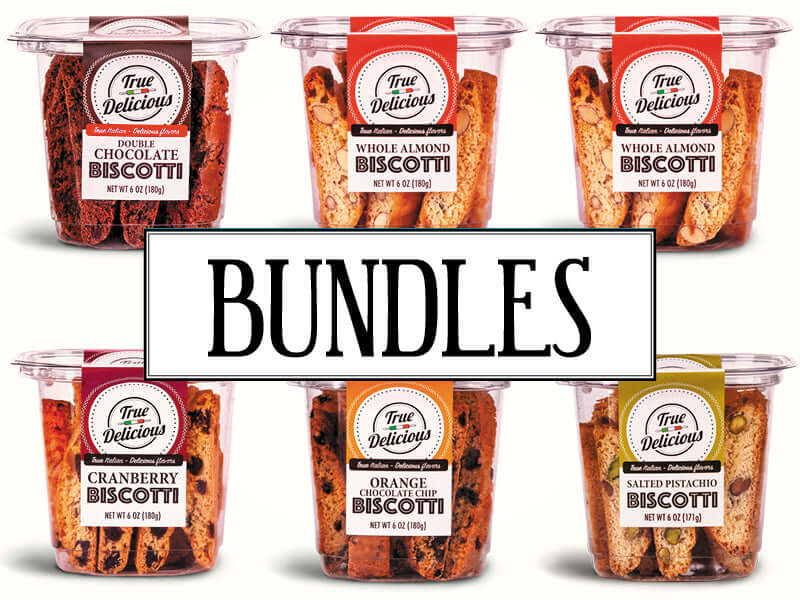
Ready to experience real Italian biscotti? Browse our selection of almond, chocolate, and pistachio biscotti crafted from a traditional family recipe.